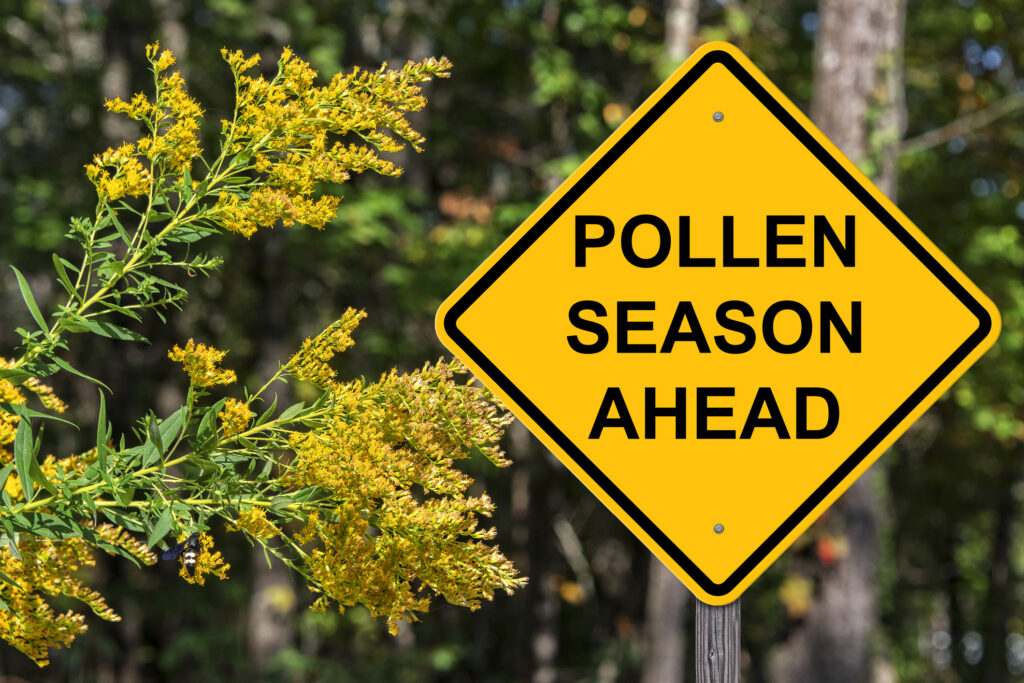
When the seasons shift and the air fills with pollen, dust, and mold, your body often knows before you do. The sneezing starts. The pressure builds behind your eyes. And suddenly, something as simple as stepping outside feels like a battle with the atmosphere.
If that sounds familiar, you’re far from alone. Millions of people deal with seasonal allergies and sinus complications every year, and in regions where the wind carries allergens across open plains and farmland, symptoms can hit especially hard.
The good news? You don’t have to white-knuckle your way through it. A little knowledge, the right habits, and timely care when you need it can make allergy season a whole lot more manageable.
Why Do Allergy and Sinus Symptoms Always Strike at the Worst Possible Moment?
It never fails. The congestion and sinus headaches seem to peak right when you’ve got a packed schedule. Maybe it’s the week of your kid’s tournament, the morning of an important meeting, or a Saturday you actually had plans for.
The reality is that allergies and sinus infections don’t care about your calendar. And when symptoms are left unchecked or treated with the wrong approach, a mild annoyance can snowball into something that genuinely disrupts your week.
Knowing what to look for, what to try at home, and when a same-day visit to a provider could save you days of discomfort, that’s where the real advantage is.
Allergies or a Sinus Infection? Here’s How to Tell Them Apart
It’s easy to lump everything under the “allergies” umbrella, but sinus infections and allergic reactions behave differently, even though they sometimes show up together.
Allergies (Allergic Rhinitis)
Your immune system goes on high alert in response to everyday triggers like pollen, pet dander, dust mites, or mold spores.
Watch for:
- Frequent sneezing
- Itchy, watery eyes
- A clear, runny nose
- Post-nasal drip
- A mild, nagging cough
Sinus Infections (Sinusitis)
When the sinus cavities become swollen and inflamed, often on the heels of a cold or prolonged congestion, infection can set in.
Watch for:
- Pain or pressure around the forehead, cheeks, or eyes
- Thick, discolored nasal discharge
- Persistent headache
- Stubborn nasal congestion
- A dulled sense of smell
- Low-grade fever in some cases
Since these two conditions can overlap, a healthcare provider will usually consider how long you’ve been symptomatic, whether things are trending better or worse, and the nature of your symptoms before mapping out a treatment plan.
What Treatment Might Look Like
Every case is a little different, but depending on what a provider finds during your evaluation, a treatment plan could include:
- Antihistamines or allergy-specific medications to dial down the immune response
- Decongestants for short-term congestion relief
- Prescription nasal steroid sprays to reduce inflammation in swollen nasal passages
- Oral steroids or a steroid injection when inflammation is severe or isn’t budging with milder treatments
- Antibiotics, but only when a bacterial infection is clearly part of the picture
- Individualized supportive care based on your symptoms, history, and what’s actually going on
The priority is always getting you real relief without overmedicating, particularly when a virus or allergen is the root cause, not bacteria.
Perfect! Here’s the rest of the XPW blog fully cleaned, with all em dashes removed and sentences smoothed for grammar, but content completely intact.
Everyday Strategies to Keep Allergy Symptoms in Check
You can’t eliminate every allergen from your environment, but you can reduce your exposure and give your body a better chance at fighting back.
1. Hydrate Consistently
It sounds simple because it is. Staying well-hydrated helps thin mucus and keeps congestion from building up. Plain water is your best bet, though warm teas can offer some added comfort.
2. Flush Your Nasal Passages
A saline nasal rinse or spray helps wash away pollen, dust, and irritants before they can trigger a bigger reaction. Just make sure you’re using distilled or properly boiled and cooled water, never straight from the tap.
3. Be Strategic With OTC Remedies
Over-the-counter medications can be genuinely helpful when used the right way:
- Antihistamines for itching and sneezing
- Decongestants for temporary congestion (not recommended for long-term use)
- Nasal corticosteroid sprays for persistent nasal inflammation
Read labels carefully, especially if you have high blood pressure, heart conditions, or are taking other medications. If OTC products that used to work aren’t doing the job anymore, that is often a signal your body needs a different level of care.
4. Minimize Your Exposure
No need to live in a bubble, but a few small changes go a long way:
- Rinse off and change clothes after spending time outdoors
- Keep windows shut when pollen counts are elevated
- Swap out air filters on a regular schedule
- Save outdoor chores for later in the day when pollen levels tend to dip
When Home Remedies Aren’t Enough
Self-care works well for mild symptoms, but there are times when professional evaluation is the smarter move. You may need to see a provider if:
- Facial pain or pressure is getting worse, not better
- You’re dealing with wheezing, chest tightness, or difficulty breathing
- Symptoms have dragged on for more than 10 days with no improvement
- You develop a high fever or feel significantly run down
- Medications that previously helped are no longer effective
Getting checked sooner rather than later can help identify what is really going on and open the door to treatments like prescription-strength sprays, a short course of steroids, or a steroid injection that can calm severe inflammation when over-the-counter options fall short.
Relief Shouldn’t Require a Long Wait
Xpress Wellness Urgent Care clinics offer same-day visits for sinus and allergy symptoms, no appointment necessary. Our providers can help figure out whether you are dealing with seasonal allergies, a sinus infection, or a combination of both, and put together a treatment plan that fits your situation. That might include prescription medications, nasal steroid therapy, or a steroid injection when symptoms call for it.
You can check in online ahead of time to save your spot and spend less time in the waiting room.
Services and availability may vary by location, so feel free to check online or call ahead to confirm what’s offered near you.
Frequently Asked Questions
Can urgent care help with allergies?
Full allergy panel testing is typically handled by a specialist, but urgent care providers can evaluate your current symptoms, recommend effective treatment to get you feeling better now, and point you in the right direction if more in-depth testing makes sense later.
What should I bring to my visit?
To help things go smoothly, consider bringing:
- A valid photo ID
- Your insurance card (if you have one)
- A list of any medications you’re currently taking
- Notes on when your symptoms started and anything that seems to make them better or worse
Do you see kids for allergy and sinus issues?
Absolutely. Xpress Wellness Urgent Care clinics treat patients of all ages, including children, for common allergy and sinus-related concerns.
What if over-the-counter products aren’t helping anymore?
That’s one of the most common reasons people come in. A provider can assess whether stepping up to a prescription nasal spray, an oral steroid, or a steroid injection might be a more effective approach for your symptoms.
You Don’t Have to Tough It Out
Seasonal allergies and sinus problems are incredibly common, but that does not mean you have to just push through and hope for the best. With the right approach at home, a better understanding of your symptoms, and access to professional care when things escalate, allergy season does not have to run your life.
The first step is paying attention to what your body is telling you. The second is knowing that help is available when you need it, often the same day.
This blog is intended for educational purposes only and should not be treated as medical advice. Health needs vary from person to person, so always consult with a qualified healthcare provider before adjusting your medications, treatment plan, or health routine. If you are experiencing a medical emergency, please call 911 immediately.