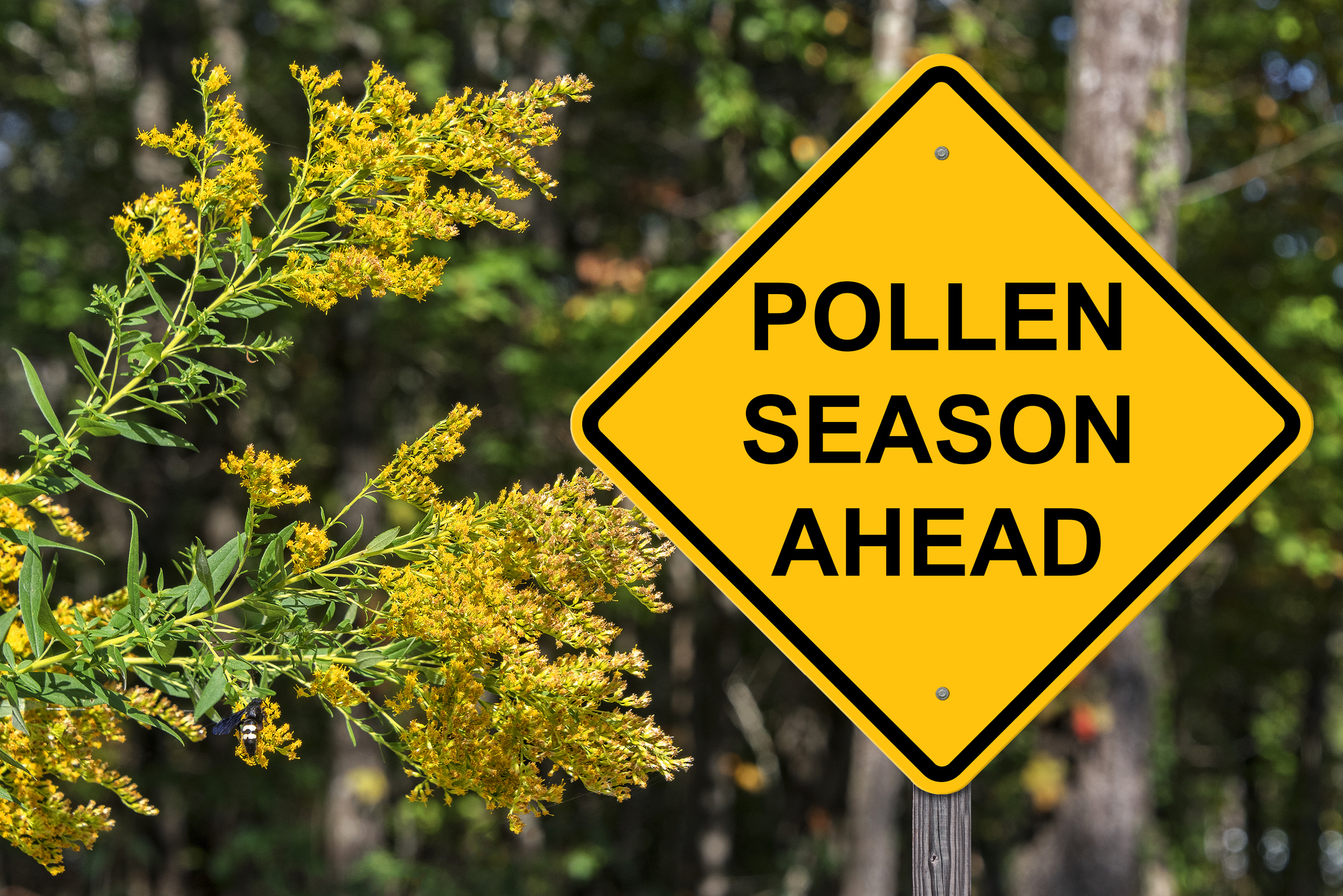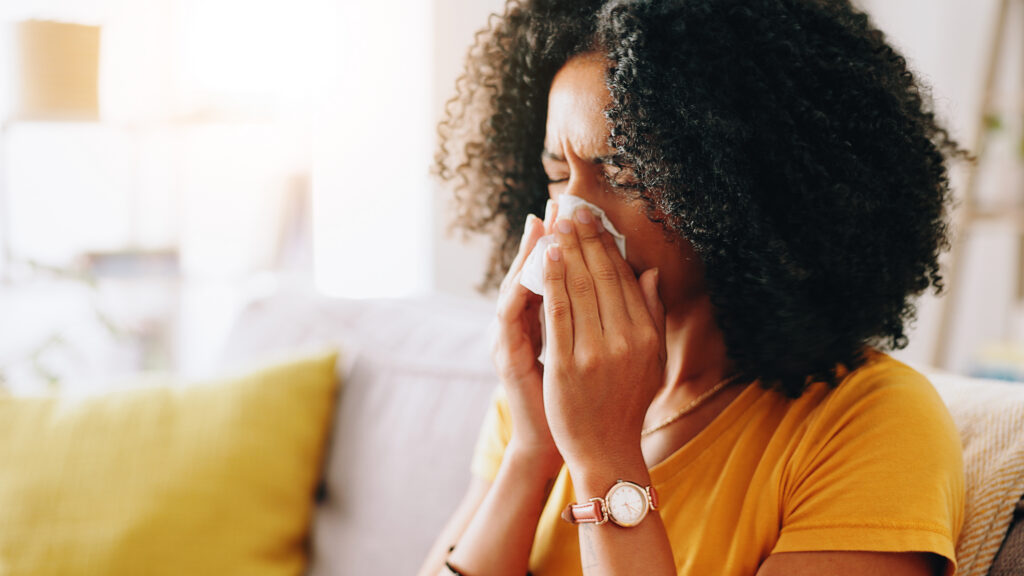
If you’ve ever caught yourself thinking, “It’s just allergies, so why do I feel so exhausted, foggy, or irritable?” you’re not imagining things, and you’re definitely not alone.
Seasonal allergies are usually associated with sneezing, congestion, and itchy eyes. But for many people, the effects go well beyond the sinuses. Allergies can disrupt sleep, drain energy, cloud focus, and affect mood. When those physical symptoms linger, they can quietly feed stress, anxiety, and even symptoms that feel a lot like depression.
The connection between allergies and mental health isn’t talked about enough, but it’s very real. Understanding it can make allergy season feel a little less frustrating and a lot more manageable.
How Seasonal Allergies Affect More Than Your Nose
- Inflammation Doesn’t Stay in One Place
When your body reacts to pollen, mold, or other allergens, it releases chemicals like histamine. That response causes inflammation, and it doesn’t just stay in your nasal passages.
Ongoing inflammation has been linked to:
• Fatigue
• Brain fog
• Low mood
• Irritability
So when allergy season leaves you feeling emotionally worn down, it’s not a personal failing or a mindset problem. It’s your whole system working overtime. Sometimes getting the inflammation itself under control can finally break the cycle, whether through nasal steroid sprays, a short course of oral steroids, or even a steroid injection when symptoms are severe.
- Poor Sleep Has a Ripple Effect
Allergy symptoms often peak at night, making restful sleep harder to come by.
Common sleep disruptors include:
• Nasal congestion leading to mouth breathing and restlessness
• Post-nasal drip or coughing that causes frequent waking
• Itchy, watery eyes that make it hard to fall asleep
When sleep quality drops, mood and mental clarity usually follow. Lack of sleep can increase stress, lower patience, make anxiety feel louder, and make even small tasks feel heavier than usual.
That’s how a “minor” allergy flare can turn into a week where everything feels off.
- Pulling Back From Normal Life
When symptoms drag on, many people naturally start avoiding triggers:
• Spending less time outdoors
• Skipping workouts, walks, or kids’ activities
• Canceling social plans because they don’t feel well
While this can reduce exposure to allergens, it can also reduce the things that support mental health, like movement, sunlight, and social connection. Over time, that pullback can increase feelings of isolation or low mood, especially if allergy season stretches on longer than expected.
- Constant Discomfort Creates Constant Stress
Living with ongoing symptoms like pressure headaches, itchy eyes, sneezing fits, or chest tightness keeps the body in a near-constant state of irritation.
That chronic discomfort can:
• Raise baseline stress levels
• Make people feel more reactive or short-tempered
• Turn everyday responsibilities into overwhelming tasks
This isn’t weakness. It’s a nervous system responding to persistent physical stress, and it’s one of the reasons getting effective relief sooner rather than later matters so much.
Breaking the Allergy-Mood Cycle
You can’t control pollen counts, but you can control how you respond to them. Managing allergies often works best when you treat both the physical symptoms and the mental strain they create.
- Build a Thoughtful Allergy Plan
Reducing physical symptoms often helps mental and emotional symptoms ease as well.
Depending on your situation, options may include:
- Over-the-counter treatments
- Non-drowsy antihistamines
- Nasal steroid sprays for inflammation
- Saline sprays or rinses to flush out allergens
- Provider-guided options when OTC isn’t enough
- Prescription-strength nasal sprays
- Short courses of oral steroids for severe inflammation
- Steroid injections to quickly calm a significant flare-up
- Inhalers for allergy-triggered asthma
- Targeted symptom relief
- Eye drops for itchiness
- Decongestants for short-term use
If you’re unsure what’s actually helping or feel like you’re guessing your way through the allergy aisle, a same-day visit with a provider can help cut through the confusion and get you on a plan that actually works.
- Prioritize Sleep (It Matters More Than You Think)
Sleep plays a major role in both immune function and emotional resilience.
Helpful habits include:
• Keeping windows closed during high-pollen days
• Washing bedding weekly in hot water
• Showering at night to remove pollen before bed
• Using an air purifier with a HEPA filter if available
Staying consistent with sleep schedules and limiting late-night scrolling can also make a noticeable difference. Better sleep doesn’t just help allergies. It helps everything else feel more manageable.
- Keep Moving, Gently
Exercise might sound unappealing when you’re congested and cranky, but even light movement can help reduce inflammation, boost mood, and improve sleep.
Consider:
• Indoor walking or light strength training
• Yoga or stretching
• Outdoor activity during lower pollen times, such as after rain
If outdoor exposure worsens symptoms, changing clothes and showering afterward can help limit lingering allergens.
- Support Your Mental Health on Purpose
You don’t need to wait until you feel overwhelmed to care for your mental well-being.
Small but effective steps include:
• Naming the pattern instead of blaming yourself
• Using brief breathing or mindfulness exercises
• Journaling physical symptoms alongside emotional ones
• Staying socially connected in lower-effort ways
If feelings of sadness, anxiety, or loss of interest persist beyond allergy season or feel disproportionate to what’s going on, checking in with a mental health professional can be an important next step. Behavioral health support is more accessible than many people realize, and some clinics even offer virtual options that make it easier to get started.
When It’s Time to Get Checked Out
While many allergy symptoms can be managed at home, it’s worth seeking medical care if:
• Symptoms aren’t improving with over-the-counter treatments
• Signs of a sinus infection appear, such as facial pain, fever, or thick nasal drainage
• There’s wheezing, chest tightness, or trouble breathing
• Sleep disruption or fatigue is significantly affecting daily life
• You’re unsure whether what you’re experiencing is “just allergies” anymore
A same-day urgent care visit can help sort out whether your symptoms are allergy-related, a developing sinus infection, or something else entirely. It can also get you started on the right treatment, whether that’s a prescription nasal spray, a steroid injection, antibiotics if a bacterial infection is confirmed, or simply guidance on a better management plan. No appointment needed, and most visits are quicker and more affordable than you’d expect.
The Bottom Line
Seasonal allergies don’t just affect your nose. They can disrupt sleep, drain energy, limit daily life, and influence how you feel emotionally.
The good news is that this connection is common, well-understood, and manageable. With the right mix of symptom control, lifestyle adjustments, and attention to mental health, allergy season doesn’t have to take such a heavy toll on your body or your mind.
Feeling “off” during allergy season isn’t something you have to just push through. Sometimes the best thing you can do is get your symptoms properly evaluated, get the right treatment on board, and give yourself permission to feel better.
This blog is meant to inform and educate and does not replace the advice of your doctor. Every person’s health is different, so please consult a qualified healthcare provider before making changes to your medications, treatment plan, or health routine. If you’re experiencing a medical emergency, call 911.